梦想改造家
泉河水磨历沧桑_我的网站

A |
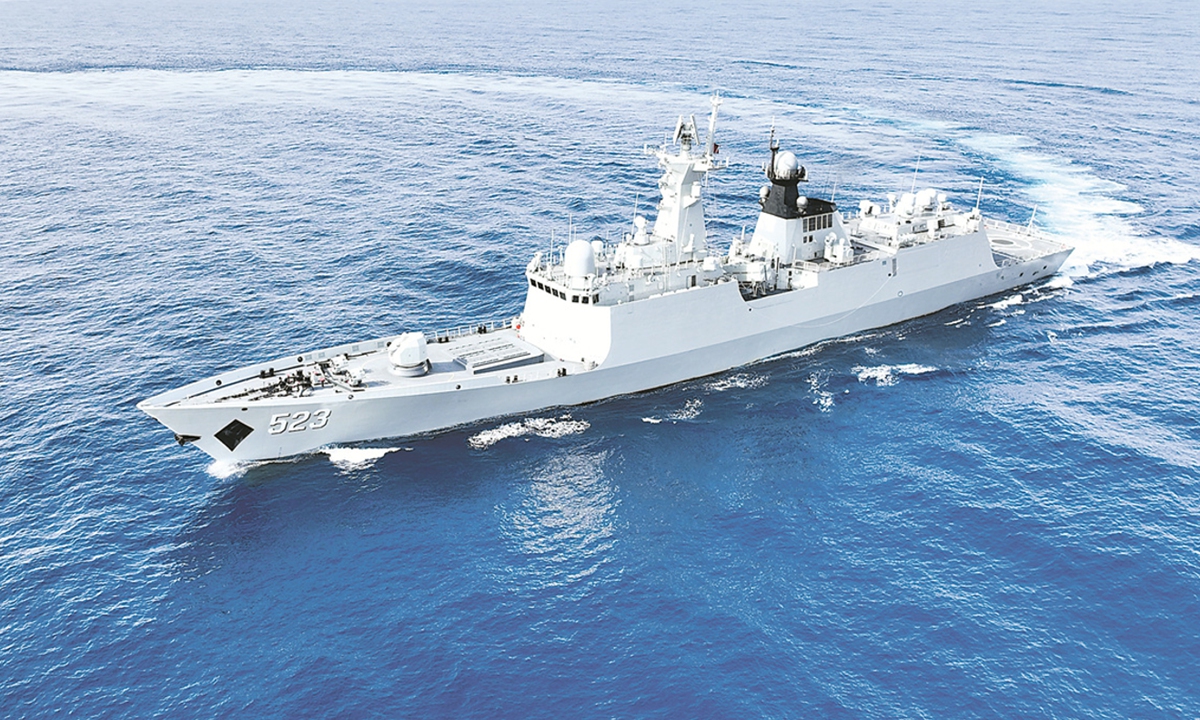
In mid-August, China's naval ship Honghe will conduct a navigation exercise with an Indonesian Navy ship east of Taiwan island. The drill will focus on subjects including communication drills and underway replenishment. It aims to boost the two navies' capacity for joint operations, deepen practical bilateral cooperation and jointly safeguard regional peace and stability, according to China's Ministry of National Defense on Tuesday.
China and Indonesia have held joint exercises on several occasions. From late November to early December, the two countries held a joint humanitarian assistance and disaster relief exercise, involving forces from the Chinese and Indonesian armed forces' land, naval and air services.
The upcoming exercise by the Chinese and Indonesian navies in waters east of Taiwan Island will be the first naval exercise between China and a foreign country in those waters, making it "highly significant," military affairs expert Zhang Junshe told the Global Times on Tuesday.
Zhang said the move is intended to clearly convey China's position to the outside world: "China has sovereign rights and jurisdiction over the exclusive economic zone east of Taiwan Island."
"Inviting foreign naval vessels to conduct training in waters under China's own jurisdiction is normal and reasonable. The act also demonstrates that China has sovereign rights and jurisdiction over these waters. The relevant scope of China's sovereignty and maritime rights and interests includes the territorial waters east of Taiwan island, as well as the exclusive economic zone and continental shelf," Zhang said.
Previously, the PLA Eastern Theater Command conducted joint exercises codenamed "Justice Mission 2025" in the Taiwan Straits, and in waters to the north, southwest, southeast, and east of the island. The exercises highlight the PLA's sacred mission to firmly safeguard national sovereignty and territorial integrity, protect the fundamental interests, security and well-being of the 1.4 billion Chinese people, including Taiwan compatriots, oppose "Taiwan independence" separatist forces, and oppose interference by external forces.
Since June this year, China Coast Guard vessels have conducted regular law-enforcement patrols in waters east of Taiwan island, with the aim of exercising jurisdiction in accordance with the law and safeguarding China's territorial sovereignty and maritime rights and interests.
These actions were necessary in response to the unilateral decision by Japan and the Philippines to announce the launch of boundary negotiations concerning waters east of Taiwan island, which seriously infringes upon China's territorial sovereignty and maritime rights and interests.
Zhang said the joint naval exercise by China and Indonesia in these waters will further expand China's "toolbox" for safeguarding national sovereignty and maritime rights and interests. "It fully demonstrates that China has both the capability and firm resolve to uphold its maritime rights and interests through routine practical maritime actions, and to demonstrate its sovereign rights and jurisdiction in relevant waters east of Taiwan island."
This will be the second instance of maritime cooperation between China and Indonesia this month and another example of the increasingly substantive military-to-military relationship between the two countries.
A Chinese PLA Navy's task group, comprising the training ship Qijiguang (Hull 83) and amphibious dock landing ship Kunlunshan (Hull 998), which is carrying out the far seas internship training and visit mission, arrived at Tanjung Perak Port in Surabaya, Indonesia, on August 2, for a four-day goodwill visit, according to China Military Online.
"In recent years, the navies of China and Indonesia have continuously expanded cooperation including joint drills and reciprocal ship visits, advancing bilateral military to military ties in breadth and depth," Jiang Bin, a spokesperson for the Ministry of National Defense, stated at the regular press conference on July 30.
Zhang said the series of maritime exchanges between China and Indonesia not only represents a concrete implementation of the consensus on building a China-Indonesia community with a shared future, but also further strengthens strategic mutual trust between the two militaries.
Such cooperation, he said, will help enhance the two sides' ability to jointly respond to maritime risks and challenges, inject positive momentum into maintaining order in surrounding waters and promoting regional maritime security and stability, and set a useful example for equal and mutually beneficial maritime defense exchanges among countries in the region.
。 □ 魏敬群
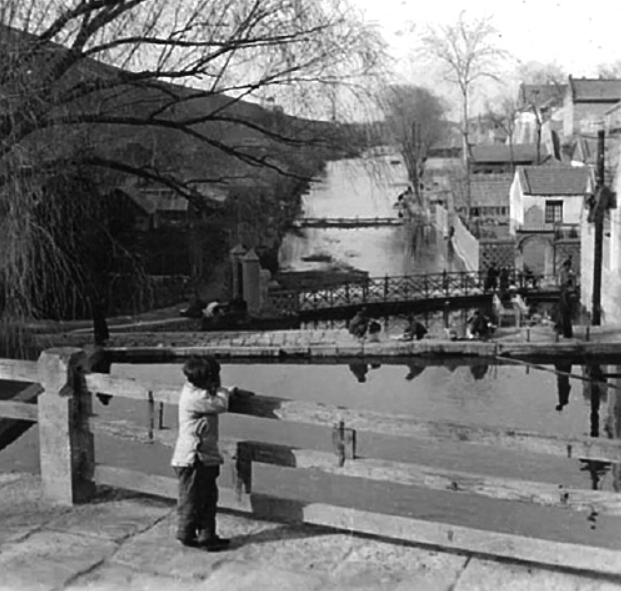 济南东护城河原响闸处旧影
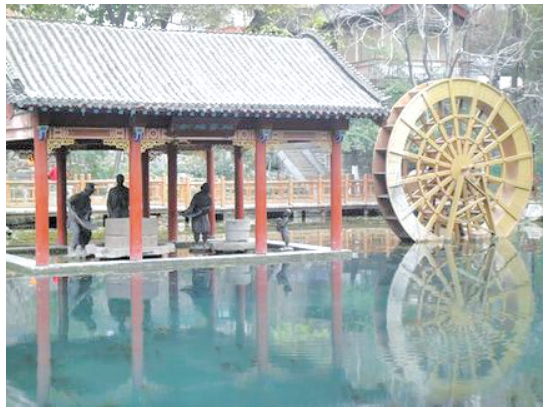 东护城河原响闸处新建的水磨景点
水磨历史悠久。济南的水磨最早记载于元代。元代御史中丞、枢密副使许有壬在作于至元四年(1338年)的《圭塘小稿·林虑记游》中称:“历下所谓趵突者,清澈尤甚,土人疏导作堰,以激磑碾,为利甚大。
东护城河原响闸处新建的水磨景点
水磨历史悠久。济南的水磨最早记载于元代。元代御史中丞、枢密副使许有壬在作于至元四年(1338年)的《圭塘小稿·林虑记游》中称:“历下所谓趵突者,清澈尤甚,土人疏导作堰,以激磑碾,为利甚大。
B | ”堰,挡水的低坝;磑,石磨。趵突泉水势汹涌,北流成河,当地百姓筑坝拦水,形成激流,让其推动石磨旋转,得以磨米磨面。 玉带河与护城河都有水磨 明代时德王府独霸水源 明代文学家、史学家王世贞《古今名园墅编序》载:“异时,宦游所经历,至济南,谒德藩,游真珠泉,泉东西可十余丈,南北三丈许,东一亭枕之其下。

C | 瑟瑟群起,拍掌振履,则益起,纚纚而上,空明莹彻,与天日争彩,金鲤百头,小者亦可三尺。其西泉穿宫墙而出,为大池,皆以白石甃甓。中有水殿,前后各五楹,彩鹢容与箫鼓四奏,王时劳赐殽醴,往往丙夜。又西为长沟,曲折以达后圃,芍药数百本。

D | 高楼踞之,泉出后宫墙为水碓水磨,以达大明湖,湖景尤自韶丽。”从上述描写看出,真珠泉(珍珠泉)水面颇大,泉河可以行船(彩鹢)。珍珠泉、溪亭泉、散水泉等汇为玉带河,流出后宫墙。河中有水碓和水磨。水碓是一种借水力舂米的工具。它的动力机械是一个大的立式水轮,轮上装有若干板叶,转轴上装有一些彼此错开的拨板,用来拨动碓杆。每个碓用柱子架起一根木杆,杆的一端装一块圆锥形石头。下面的石臼里放上准备加工的稻谷。流水冲击水轮使它转动,轴上的拨板拨动碓杆的梢,使碓头一起一落地进行舂米。

E | 水磨是一种古老的磨面粉工具,主要由上下扇磨盘、转轴、水轮盘、支架构成。上磨盘悬吊于支架上,下磨盘安装在转轴上,转轴另一端装有水轮盘,利用水流落差的冲击力为动力,冲击木轮转动从而带动石磨转动。

F | 磨盘旁凌空的两根木条上架着长方形的木质面罗,由摇臂推拉做水平运动,分离出面粉与麸皮。

G | 济南不光玉带河有水磨,东护城河也有水磨。济南的泺水也叫泺河,由黑虎泉泉群和趵突泉泉群汇流而成,在城东者叫东泺河,在城西者叫西泺河,两河注入小清河。

H | 东、西护城河便各是东、西泺河的一段。明朝时,泺河上有听水闸、利田闸、护城闸等十几道闸门,“立闸潴蓄,用作灌溉……两岸新置石楗,扃用大木板,视水之高下盈缩,以时启闭,庶其绪前人之功,而有利于斯民也。”(清卫既齐《五柳闸纪略》)石作楗库,插木为闸,调节水位,蓄以灌田,且有防汛排涝功能。护城河第一闸是响闸,因水声而名。响闸一旦关闸蓄水,上下会产生一二米的落差,河水从闸上跌落,产生很大的冲击力,响声轰鸣。

I | 响闸位于东护城河中部,按察司东之城墙外。水磨就设在响闸处。

J | 附近居民很早就开发利用水力以代替人工,设有水碾、水磨、水碓、水排、水转纺车等,碾米、磨面、加工油料和农副产品。不料,明朝时却为豪强霸占。明代文士刘敕《历乘》载:“响闸,东城河,近中贵为水磨,以分其流,大损风气。”中贵即中官、宦官,也指皇帝的宠臣、近亲。

K | 这里所说的中贵指德王。德王封藩济南,繁衍六代,仗着是皇帝近亲,给齐鲁百姓造成深重灾难。德王府将响闸据为己有,碾米磨面,独享其利。

L | 附近百姓却守着一河碧水,失却灌溉和生活之便。由此看来,玉带河的水碓、水磨离德王府那么近,老百姓肯定也是无缘使用的。 清道光间,住在城东护城河边的济南知府吴振棫曾写《水磨》一诗:“筑石阑水水受矶,失势一落如溃围。水中大轮三十毂,冲激倏忽行如飞。下轮上磑一柱贯,轮旋磑转无相违……雷风交奋出奇响,日月疾走无停机。”这里写水磨工作情形。筑坝蓄水,抬高水位,再提闸泄流,让河水以巨大的冲击力推动轮盘旋转,由此带动石磨转动。

M | 接着,吴振棫笔锋一转,重提德王府强占响闸旧事:“昔人豪横殖生产,妨民灌溉家自肥。

N | 今人生计嗟日微,搒掠聊免铅舂悲。”感叹世风不古,民生艰难。诗中还有“水声激激寒生衣,北方有此吾见稀”之句,是说在南方司空见惯的水磨,到北方却成稀少之物。南北之别,在于水之多寡也。 张含英在响闸建造山东第一座水电站 示范全省 1929年,山东省建设厅技正兼科长张含英(新中国成立后任水利电力部副部长)与技士九君森对响闸磨坊进行改建,建造闸坝、水道、电站,购进水轮机、发电机等设备,利用坝上坝下1.3米的水位差和每秒1.4立方米的河水流量,建成山东第一座示范性水力发电站。

o | 安装尼哥拉四叶式小轮水轮机一座,马力约为26匹。发电量14.7启罗瓦特(即千瓦),电压为110至115伏。

p | 夜间供省建设厅、教育厅(位于山东按察司旧址)和教会建筑群用电,白天供附近居民磨面。1937年日寇侵占济南时,水电站被毁,后又恢复水磨、水碓等,成了粮食和农副产品加工厂。上世纪50年代,磨坊消失,响闸保留下来。

q | 2009年末,为了护城河通航需要,市政府拆除了响闸。但在响闸北面不远,新建水榭磨坊一景,里面有四个铜塑人物:一位在水磨旁忙碌的男青年,一个举着粮食口袋玩耍的男孩子,磨面的奶奶正唤他回家。

r | 还有一位手拿卷筒图纸的书生——他就是当年的张含英。 小清河与绣江俱有多盘制香水磨 只是辉煌不再 水磨不仅可以加工粮食,也可以制香。过去,朝拜进香之风盛行,香的需求量很大。
s | 制香的原料是木屑,过去没有电锯,木屑都是由水磨碾压而成。

t | 清代本邑诗人朱令昭写有《香磨》一诗,诗前序曰:“激水转磨屑木作香料者也。”诗云:“惊箭双流下,明波百尺开。银龙喷艳雪,铜鼓激晴雷。地轴时轮转,天香画下来。慎无摧伐尽,恐有栋梁材。”生动地描写了香磨的工作场面,并对浪费木材的行为颇有微词。小清河畔便有一处香磨集中的地方,名叫香磨李村。据说,明朝洪武年间,有位姓李的男子携妻从直隶枣强来到此地,结庐而居,打鱼为生。后来,又有他姓人家迁徙至此。这里的住户多以磨香做香为业,他们在小清河中安装了多盘水磨,利用水流作动力,昼夜劳作。1928年《历城县乡土调查录》载:“制香业,三十六家,在洛(泺)口闸子一带。”闸子又叫香闸。

u | 如今,这里早已无人以磨香为业,但为铭记香磨李的历史,这里建起圆形的石磨广场,在香磨李社区的一个圆顶小亭里,还放着小清河疏浚施工时发现的两具磨盘。 章丘的绣江河上不仅水磨多,而且体量大。《章丘文史资料》记载:“绣江河水磨始创于明正德年间,其事之缘起乃因明水镇有富户周八缸者(家中有银八缸,以之为名侈言其富),为富不仁,勒索乡里,百姓怨之。山东按察使知其不仁,令其出银,沿绣江河两岸设水磨十八盘,使百姓用以磨面,不准取利,以此修善而赎前愆。但水磨维修一项,仍归周八缸支付,至穷无立锥,此制方废。”此后,人们开始用水磨碾磨树渣做香,带动了一方经济发展。清康熙年间章丘知县钟运泰的《绣江春涨》诗中,有“一天春卷千堆雪,三月晴轰两岸雷”之句,前一句写水磨磨木屑的情形,后一句写水磨转动的声响。水磨大都建在绣江河的上游,清末民初的鼎盛时期达到72盘。绣江水磨主要由三部分组成,最上面是两起石磨,直径均在1.5米左右,每起约重一吨,上起由绳索固定不动,下起由立轴连接转动。立轴为中间部分,上连石磨,下连水轮,水轮上有多根迎着水流方向的轮辐,均为木板构成,水轮是用柳木或槐木特制,以求常年浸泡不变形。绣江水磨因所处地势不同,水位差距很大,水磨的转速也相差甚远。转速最快、产量最高的是金盘水磨,昼夜产香末800斤。

v | 一般水磨昼夜产香末400斤左右。当时,章丘香末驰名省内外。 后来,香被认为是一种封建迷信用品,需求一落千丈,绣江水磨好景不再。随着时间的推移,彻底失去了用场。那数吨重的磨盘,被遗弃在墙角屋后,浑身遍布灰尘和青苔,犹如一位历尽沧桑的长者在娓娓诉说着过去的故事。
Current article:http://yhd6g.caihezhehuagenshun.sbs/news/20260826_961.html
Published on:18:06:41